


I've been told not to degrease my engine . Why


Thread Starter
|
Senior Member
Joined: Feb 2012
Posts: 130
Likes: 0
From: Twin Cities MN
I've been told not to degrease my engine . Why
So recently I replaced a leaky valve cover gasket so I had a lot of oil in my engine compartment. I would like to decrease my engine but I've been told for some reason we can not degrease these engines but I have no idea why. I don't wanna use a pressure washer .Typically what I do is cover the alternator with a plastic bag then only when the engine is cool I spray degreasr in the engine compartment but sit for 10 minutes and spray it off with a garden hose. I also let very thoroughly dry sometimes as long as the weekend before I even start the engine.
Can anyone tell me why this would be a bad for a 4.6 liter triton?
Can anyone tell me why this would be a bad for a 4.6 liter triton?

Senior Member
Joined: Jul 2007
Posts: 3,291
Likes: 0
From: Beaverton Or.
The cop's or coil packs are sensitive to water. You will more than likely end up chasing a misfire or a few misfires just shortly after washing it like that.
You can wash the front of the engine and the lower half of the side. Just keep the water off the top half of the engine.
For the top half, I would recommend spending some time with degreaser and a rag. Soak the rag in degreaser and scrub away. Then wipe clean with a clean rag.
You can wash the front of the engine and the lower half of the side. Just keep the water off the top half of the engine.
For the top half, I would recommend spending some time with degreaser and a rag. Soak the rag in degreaser and scrub away. Then wipe clean with a clean rag.
Last edited by Toyz; Jul 14, 2012 at 02:12 PM.

Senior Member
Joined: Sep 2001
Posts: 386
Likes: 0
From: New Hampshire
You absolutely approach the job the right way...but there are reasons for not.
For one, the ominous sensors all over the engine compartment have connectors that may leak, allowing the corrosive degreaser in to cause an electrical failure.
Over the course of 11 years of owning my F150, I have never had a big oil mess to clean under the hood but have detailed the bay with WD40 and, maybe a scrub brush, but also lots of clean shop towels. Safe method and used more than you would think.
For one, the ominous sensors all over the engine compartment have connectors that may leak, allowing the corrosive degreaser in to cause an electrical failure.
Over the course of 11 years of owning my F150, I have never had a big oil mess to clean under the hood but have detailed the bay with WD40 and, maybe a scrub brush, but also lots of clean shop towels. Safe method and used more than you would think.

Senior Member
Joined: Mar 2001
Posts: 4,506
Likes: 6
From: Puyallup, WA
I did this many years ago, but I used degreaser and a pressure washer! 
But I used them both "wisely"..
Before:

I sprayed the degreaser on only the lower part of the engine and where the 'grease' actually was and no wires. When you use a pressure washer, if you keep the tip about 18" away from what you are pointing at, all it is is a mist... A lot less volume of water than what comes out of a garden hose....
You also have the instant 'on/off' with the trigger. All the while, still only using a fraction of the volume of water a hose with a spray head would use.
Basically, you keep all water off the top of the engine and only spray on the sides and front and DON'T spray on any wire harnesses or essentially ANY electric part...
I started my engine while the thing was still dripping. Closed the hood and made sure it was not 'missing' or sounding funny and then took it for a 15 minute drive.
When I got home it was completely dry and after it cooled down, I sprayed some 'tire dressing' on it and wiped it all down to get this:

You can spray in other areas without worry too, but you do need to pay attention to what you are doing and don't just 'drown' the thing...
This is just what worked for me and I had a clean engine compartment and no ill effects... I'm sure there are a zillion other ways to do it and other methods that work equally well.. The main point is you just have to know what you can get wet and what you can't...
Good luck!
Mitch
But I used them both "wisely"..
Before:
I sprayed the degreaser on only the lower part of the engine and where the 'grease' actually was and no wires. When you use a pressure washer, if you keep the tip about 18" away from what you are pointing at, all it is is a mist... A lot less volume of water than what comes out of a garden hose....
You also have the instant 'on/off' with the trigger. All the while, still only using a fraction of the volume of water a hose with a spray head would use.
Basically, you keep all water off the top of the engine and only spray on the sides and front and DON'T spray on any wire harnesses or essentially ANY electric part...
I started my engine while the thing was still dripping. Closed the hood and made sure it was not 'missing' or sounding funny and then took it for a 15 minute drive.
When I got home it was completely dry and after it cooled down, I sprayed some 'tire dressing' on it and wiped it all down to get this:
You can spray in other areas without worry too, but you do need to pay attention to what you are doing and don't just 'drown' the thing...
This is just what worked for me and I had a clean engine compartment and no ill effects... I'm sure there are a zillion other ways to do it and other methods that work equally well.. The main point is you just have to know what you can get wet and what you can't...
Good luck!
Mitch

Senior Member
Joined: Jun 2002
Posts: 4,293
Likes: 6
My engine ALWAYS looks like this. If it doesn't look like this, I fix it with no regards to how long ago it was I washed it. So far (knock on wood), 10 years and and 135,000 miles with zero issues I'd relate to washing my engine!


Senior Member
Joined: Jun 2007
Posts: 5,522
Likes: 6
From: Utah
Bingo! I'm probably a once every 3 months or so guy. Degrease and rinse off. Then dry very well, especially around electronics. I do not attempt to avoid electrical connections and stuff. The only two areas I really avoid are the alternator and the air filter; usually cover both of these with a plastic bag before I start.
My engine ALWAYS looks like this. If it doesn't look like this, I fix it with no regards to how long ago it was I washed it. So far (knock on wood), 10 years and and 135,000 miles with zero issues I'd relate to washing my engine!
My engine ALWAYS looks like this. If it doesn't look like this, I fix it with no regards to how long ago it was I washed it. So far (knock on wood), 10 years and and 135,000 miles with zero issues I'd relate to washing my engine!
Trending Topics
Senior Member
Joined: Jul 2007
Posts: 3,291
Likes: 0
From: Beaverton Or.
I can't believe you let your engine get that dirty... how embarrassing.
I'm around too much dust to be able to keep mine that clean. Not that it is dirty, just not as clean as that. I have always wiped mine down by hand and with a spray bottle. No grease issues though. Just dust.
Oh, and your missing your electrical cover on the passenger firewall
I'm around too much dust to be able to keep mine that clean. Not that it is dirty, just not as clean as that. I have always wiped mine down by hand and with a spray bottle. No grease issues though. Just dust.
Oh, and your missing your electrical cover on the passenger firewall
Senior Member
Joined: Jul 2007
Posts: 3,291
Likes: 0
From: Beaverton Or.
Just pointing that out 
The dirty engine part was sarcasm
This cover here...
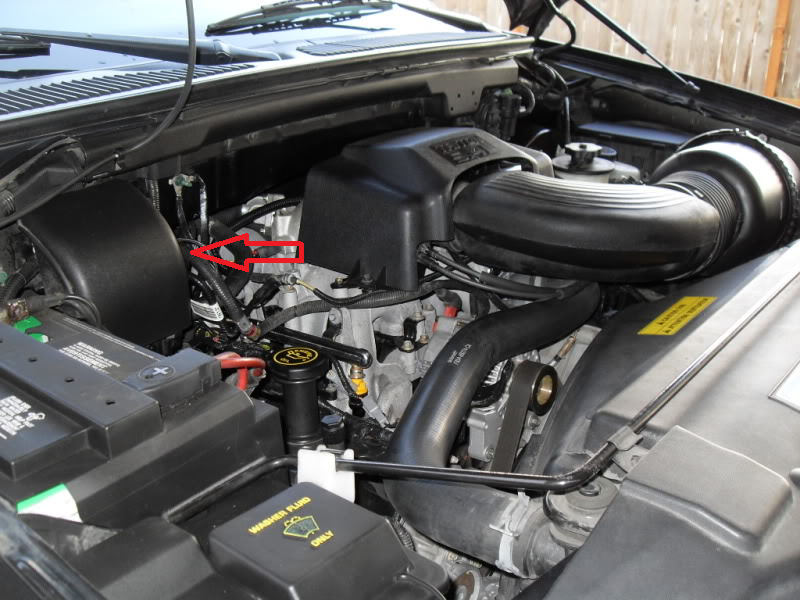
This is what mine typically looks like... not the cleanest but not horrible to look at.
This what right after the swap. It's been cleaned a few times since then
The dirty engine part was sarcasm
This cover here...
This is what mine typically looks like... not the cleanest but not horrible to look at.
This what right after the swap. It's been cleaned a few times since then
Senior Member
Joined: Jun 2002
Posts: 4,293
Likes: 6
Dude, that's not bad at all. Looks just fine. Mine never had a cover on it like that; bought it brand new too. I'd like to have one though, except I'd have to remove it all the time to clean behind it anyways, LOL!




How many miles? Misfires are more of a spark plug thing. Wet COPs would be more of a rough idle.
I pressure wash mine every once and a while. I wrap an old shirt around the air filter and then a short over the coil pack. Everything else I go to town on.
I pressure wash mine every once and a while. I wrap an old shirt around the air filter and then a short over the coil pack. Everything else I go to town on.