
Ford’s Aluminum Revolution Builds Better Trucks…and Businesses
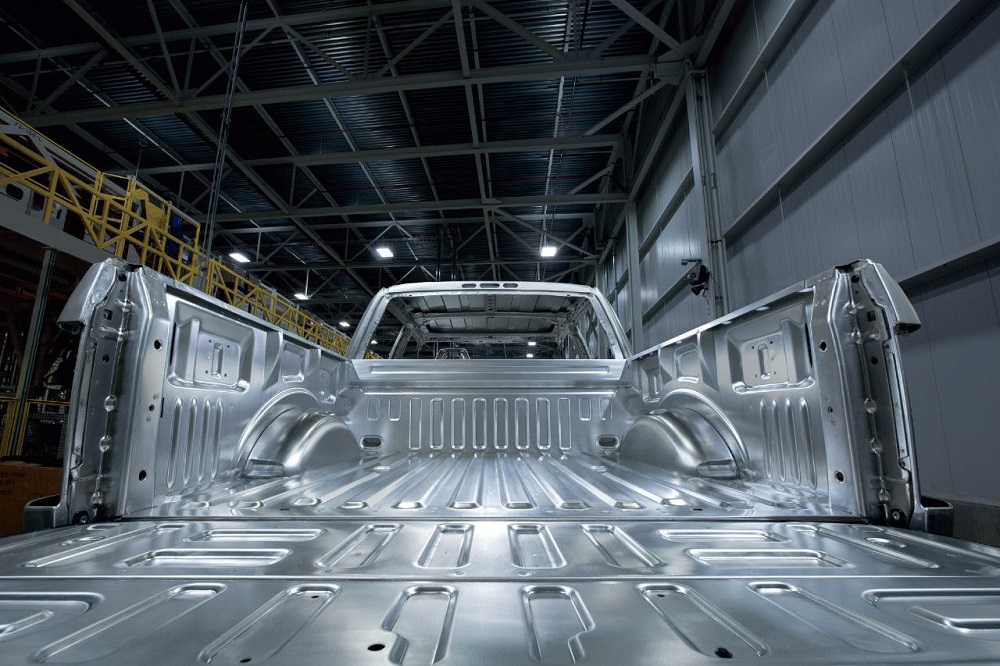
Blue Oval’s use of aluminum in F-150s has been a big success, and it also helped keep U.S. company Arconic from becoming extinct.
Ford’s aluminum revolution was a high-risk move widely panned by critics ahead of the 2015 F-150’s debut. The decision to make such a tremendous change to America’s most beloved truck wasn’t taken lightly, however. And the results of the switch have proven to be a resounding success. The F-Series pickup hasn’t missed a beat, and none of the initial concerns about its aluminum construction have turned out to be any sort of major issue.
But Ford isn’t the only American corporation that emerged from the change as a winner. One of its major suppliers of aluminum, a company now known as Arconic, can credit Ford’s decision as a true life saver. Truck Trend visited the company’s Davenport, Iowa-based plant to get an idea of how much things have changed since Ford decided the future was aluminum.
Today, Arconic’s past struggles are just a bad memory from the recession. With the help of Ford, the company continued to innovate and improve its processes.
Back in 2009, the U.S. was still knee-deep in a major economic recession. Despite this, Ford was starting to realize that rising fuel economy standards made aluminum an enticing proposition for its trucks. Meanwhile, Arconic had just announced that it was cutting its global workforce by 13 percent. The aluminum producer planned to cut production, hold onto cash, and cut costs wherever possible just to stay afloat.

Even with those efforts, things didn’t improve. Arconic reported a $2.3 billion dollar loss in 2013 and found itself delisted from the Dow Jones Industrial Average. Yet the company was able to woo Ford by developing a new aluminum-bonding treatment that created a bond tougher than steel. It was enough to convince former Ford boss Mark Fields to move forward with the switch.
Today, Arconic’s past struggles are just another bad memory from the economic downturn. With the help of Ford, the company continued to innovate and improve its processes. All thanks to a business move once considered an incredibly risky gamble. A move that saved two American companies and countless jobs along the way.

You must be logged in to post a comment.