


85 f150 2" lift with 33's?


Thread Starter
|
Member
Joined: Mar 2009
Posts: 59
Likes: 0
From: Pennsylvania
85 f150 2" lift with 33's?
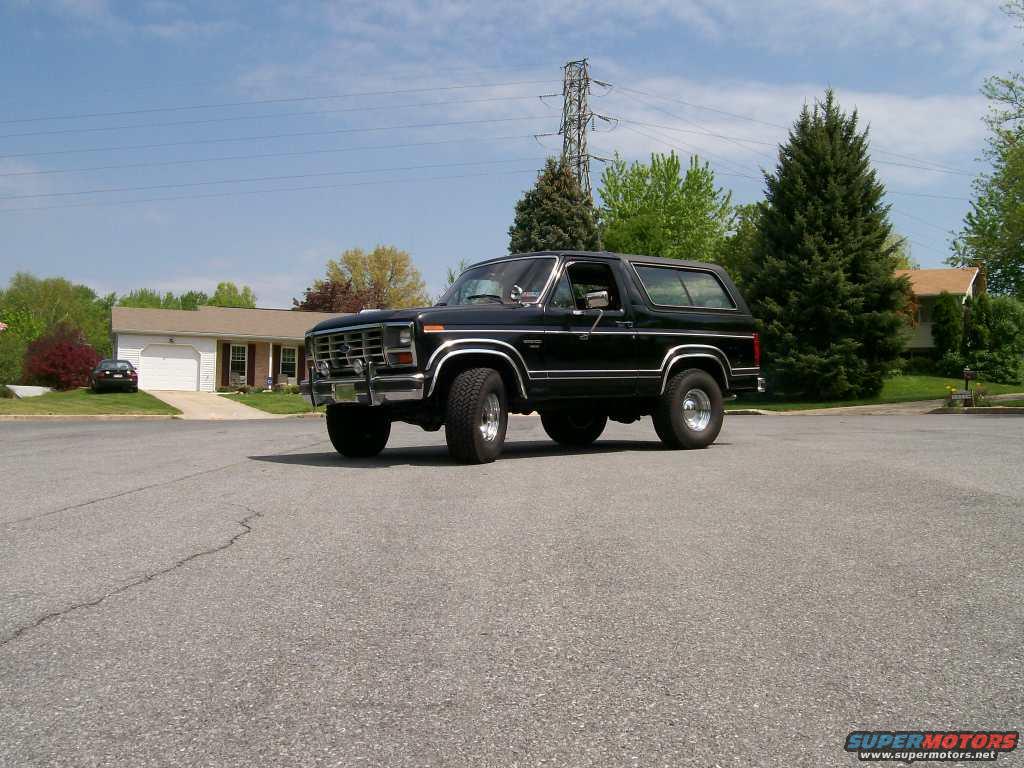
i have an 85 f150 with 31 10.5s on it and have already bought heavier rear springs that should lift the rear about an inch but i'll get an additional inch with blocks. up front i wanna get 2" proggresive rate springs. will 33's clear? and also i've heard 8" wheels are the absolute skinniest wheels you can go with for 12.5 tires. should i be fine on my 15x8 aluminum wheels? thanks for any help



Member
Joined: Jan 2009
Posts: 88
Likes: 0
an 8" rim will definately be pushing it. I know some guys do it but its not really a good idea, basically a narrow wheel "rounds" the tire out and messes up the wear. Its up to you though...post pics when you get done.

Senior Member
Joined: Oct 2005
Posts: 2,017
Likes: 0
From: Augusta, GA
Stop this crazy talk. I have ran 33x12.50s on an 8" wide rim for a while with fine results. Got almost 40,000 miles of EVEN treadwear from a set of Firestone M/Ts and on a set of BFGoodrich M/Ts now that are also wearing even.

Senior Member
Joined: May 1999
Posts: 2,477
Likes: 0
From: Copley, Ohio
Both of those manufacturers say that an 8.5" rim is the absolute minimum safe width for that size tire with a range of 8.5-11.0 with 10" being the width at which they quote the tire dimensions, loads, etc.
Senior Member
Joined: Oct 2005
Posts: 2,017
Likes: 0
From: Augusta, GA
Every lift manufacterer will also tell you that a 4 inch TTB lift is designed for 33 inch tires, yet we know we can fit 35s with a 4 inch kit. Sometimes you have to look past the obvious. I dont know about now, but back in the day Rancho speced the 4 inch kit for the 80-96 trucks to run a 33x12.50 on an 8 inch wide wheel.
EDIT: they still do- http://www.gorancho.com/assets/Wheel_chart.pdf
I have 35x12.50 BFGoodrich KM2s on my 2005 with stock Lariat wheels. Once again, even tire wear.
I have ran a 12.50 wide tire on stock 92-96 rims which are 7.5 inches wide, once again with no problems. The fact is, its an inch out of the manufacterer's "spec". It is not that big of a deal.
EDIT: they still do- http://www.gorancho.com/assets/Wheel_chart.pdf
I have 35x12.50 BFGoodrich KM2s on my 2005 with stock Lariat wheels. Once again, even tire wear.
I have ran a 12.50 wide tire on stock 92-96 rims which are 7.5 inches wide, once again with no problems. The fact is, its an inch out of the manufacterer's "spec". It is not that big of a deal.
Trending Topics
Senior Member
Joined: May 1999
Posts: 2,477
Likes: 0
From: Copley, Ohio
It's not tire wear that 's the issue. Tire manufacturers love premature tire wear, it helps them to sell more tires. What they do not love is lawsuits stemming from the tire rolling off the rim. It's not just the stability of the tire on the rim either, it could also involve the integrity of the bead seat. If it's designed for 10" wide rims use 10" wide rims or go to a narrower tire on the 8s.
Senior Member
Joined: Oct 2005
Posts: 2,017
Likes: 0
From: Augusta, GA
It's not tire wear that 's the issue. Tire manufacturers love premature tire wear, it helps them to sell more tires. What they do not love is lawsuits stemming from the tire rolling off the rim. It's not just the stability of the tire on the rim either, it could also involve the integrity of the bead seat. If it's designed for 10" wide rims use 10" wide rims or go to a narrower tire on the 8s.
Senior Member
Joined: May 1999
Posts: 2,477
Likes: 0
From: Copley, Ohio
It is not designed for an 8.5" rim; it is designed for a 10" rim. The allowable range of widths is 8.5"-11.0". That means that 8.5" is the absolute minimum rim on which they should be fitted.
Thread Starter
|
Member
Joined: Mar 2009
Posts: 59
Likes: 0
From: Pennsylvania
alrighty thanks guys. by the way does anyone know the height in inches of 80-96 stock coils? thanks. i just got the coils in and i'm gonna clean up the leaves this afternoon. what do u guys think would be a reasonable price for 4 33x12.5x15 mud terrain tires (their mud king tires) with 60-70 percent tread left on them. and the guy will be mounting them for me
Senior Member
Joined: Oct 2005
Posts: 2,017
Likes: 0
From: Augusta, GA
Either way, a half inch isnt going to matter. They will run fine on an 8" wide wheel.
Senior Member
Joined: May 1999
Posts: 2,477
Likes: 0
From: Copley, Ohio
If the half inch wasn't going to matter than the manufacturers' published data for rim sizes would say 8.0"-11.0" but the data doesn't say that, does it? So we're left with a problem. We have to decide whether the industry engineers who designed them to work within a certain set of parameters and who have hundreds, if not thousands, of hours of test data to support their designs know more about tires than you do.
Senior Member
Joined: Oct 2005
Posts: 2,017
Likes: 0
From: Augusta, GA
If the half inch wasn't going to matter than the manufacturers' published data for rim sizes would say 8.0"-11.0" but the data doesn't say that, does it? So we're left with a problem. We have to decide whether the industry engineers who designed them to work within a certain set of parameters and who have hundreds, if not thousands, of hours of test data to support their designs know more about tires than you do.
Do you apply that method of thinking to every aspects of automotive modifications?